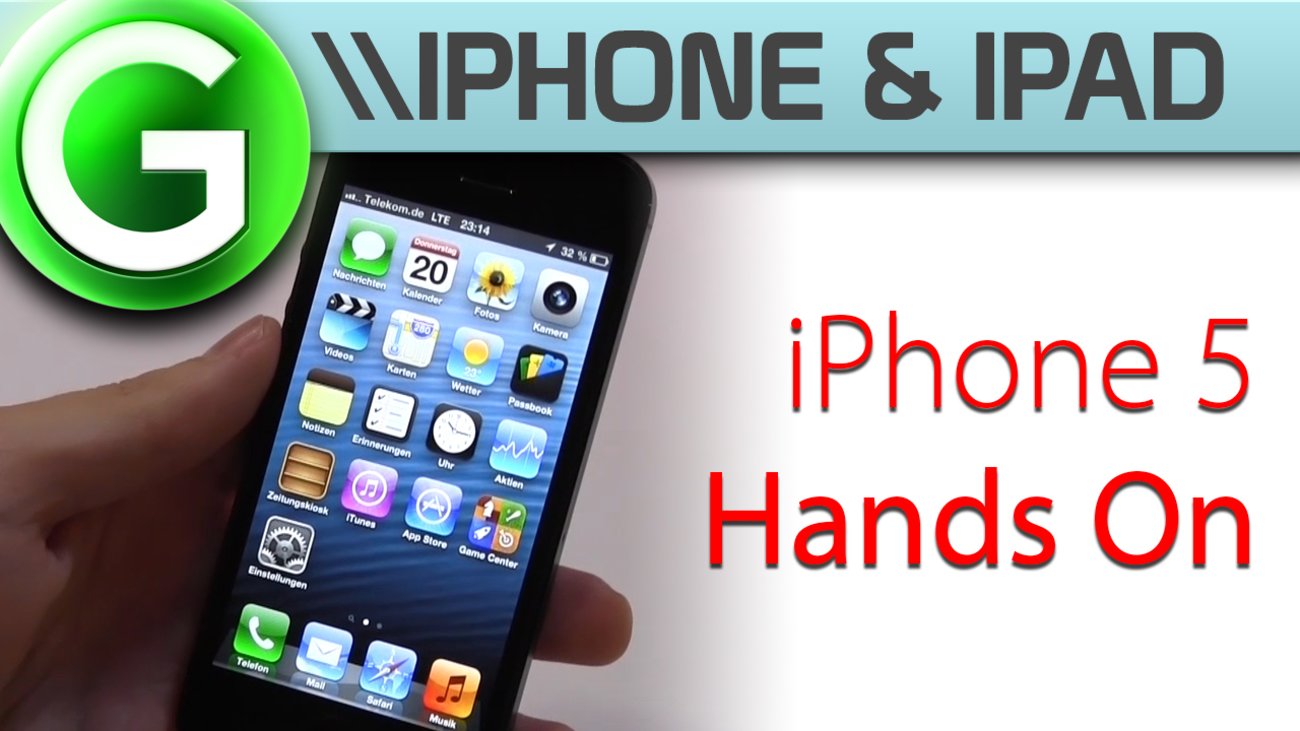
“Es ist ein Juwel” – so kündigte Phil Schiller das neue iPhone bei der Präsentation am Mittwoch Abend an. Eine gutes Update des Edel-Smartphones: Das iPhone 5 ist hochwertig, dünner, hat ein größeres Display und bietet auch in Deutschland die schnelle LTE-Datenverbindung.
Das iPhone 4S hatte ein 3,5 Zoll-Display mit einer Auflösung von 960 x 640 Pixeln. Im Vergleich zu vielen Android-Geräten wirkt das schon klein. Apple zog jetzt mit dem iPhone 5 nach, das neue Gerät besitzt ein 4-Zoll-Display mit einer Auflösung von 1136 x 640 Pixeln. Die Pixeldichte bleibt also wie gehabt.
Das Seitenverhältnis ist 16:9. Auf dem Homescreen haben inklusive Dock-Leiste sechs Reihen Apps Platz.
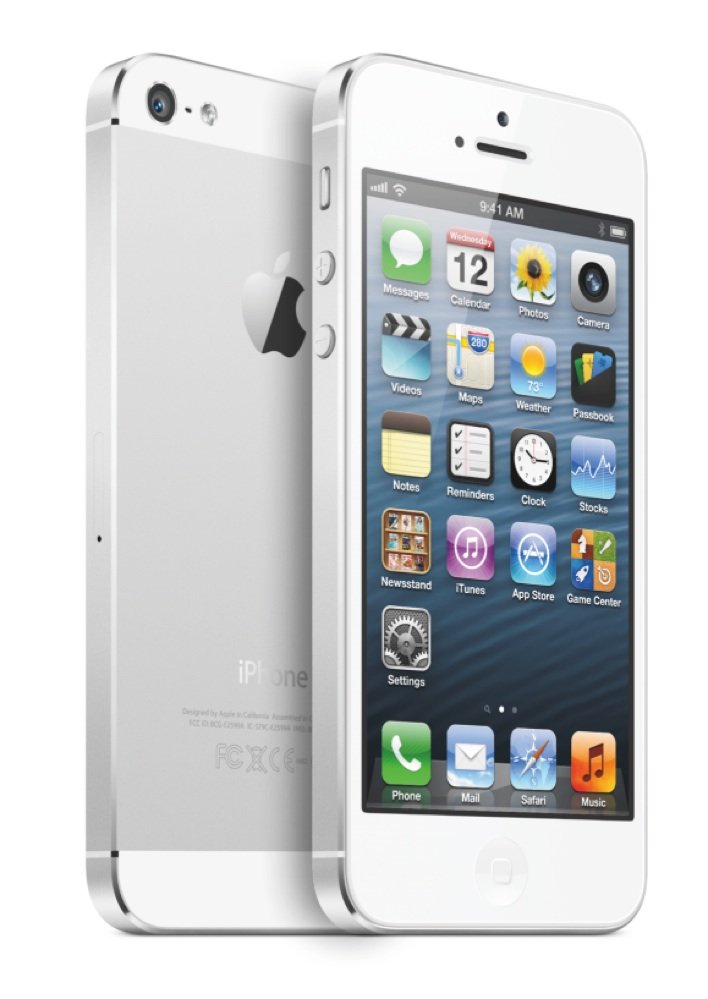
Was passiert nun mit geöffneten Apps in der kleineren Auflösung? Sie werden in der Mitte zentriert, an den Längsseiten erscheint somit ein kleiner schwarzer Rand.
Und noch ein Wort zu den Farben: Sie sollen um 44 Prozent kräftiger sein – was sicher einen hübschen Eindruck gegenüber der Android-Konkurrenz macht...
iPhone-5-Gehäuse: Das dünnste Smartphone
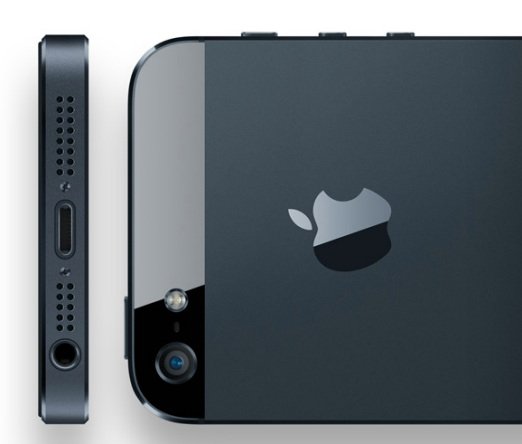
Um handlich zu bleiben, hat Apple das iPhone 5 dünner gemacht – so dünn, wie kein anderes Smartphone ist, so sagt es zumindest Phil Schiller. Das wurde unter anderem dadurch erreicht, dass die Berührungssensoren im Display integriert sind.
7,6 Millimeter ist das Gehäuse jetzt niedrig, das Gerät wiegt 112 Gramm. Zum Vergleich: Das iPhone 4S wog mit 9,3 Millimeter Tiefe noch 140 Gramm. Es gibt weiterhin die Farben Schwarz und Weiß.
LTE für Deutschland
In Europa konnte die LTE-Verbindung des iPad wegen unterschiedlicher Standards nicht genutzt werden. Das iPhone 5 unterstützt jetzt ebenfalls den drahtlosen Breitbandanschluss. Im Netz der Deutschen Telekom wird das Apple-Handy mit LTE surfen können. Weitere Mobilfunkanbieter hat Apple für Deutschland nicht genannt. Österreich und die Schweiz wurden gar nicht aufgeführt.
Die unterstützten Mobilfunk- und Datenverbindungs-Protokolle: GPRS, EDGE, EV-DO, HSPA, HDPA+, DC-HSPDA, LTE, 802.11a/b/g/n Wi-Fi (802.11n 2,4 GHz und 5 GHz) und Bluetooth 4.0.
Neue Kamera: 8 Megapixel iSight
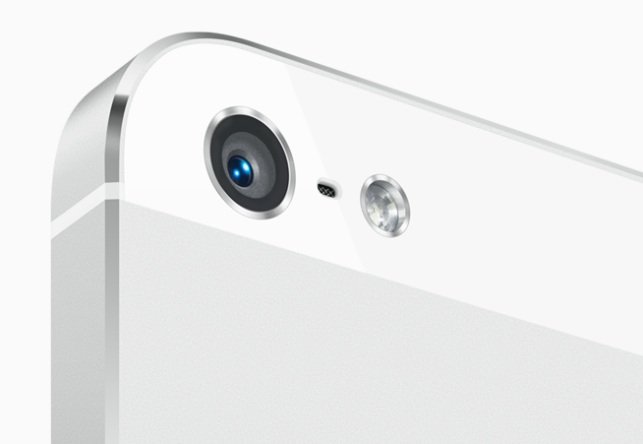
Die neue Kamera des iPhone 5 heißt iSight und besteht aus fünf Linsen. Sie gibt wie bei dem Vorgängermodell 8 Megapixel-Fotos und Full-HD-Filme aus. Die Auflösung reicht natürlich völlig aus, mehr könnte sich sogar negativ auf die Bildqualität auswirken.
Interessante Neuigkeit ist eine Panoramafunktion, die Einzelbilder zu einem Gesamtkunstwerk mit einer Größe von bis zu 28 Megapixeln zusammenpuzzlet. Des Weiteren ist eine verbesserte Bildstabilisierung und Gesichtserkennung (bis zu 10 Personen) integriert.
Die Frontkamera bietet die kleine HD-Auflösung (720p).
Neuer Dock-Anschluss Lightning
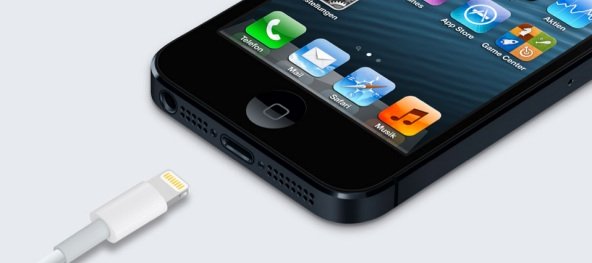
Der neue Dock-Anschluss heißt Lightning, und ist um 80 Prozent kleiner als der bisherige 30-polige Connector. Zudem soll er leichter zu benutzen sein. Besitzer von zahlreichen Zubehör-Produkten werden sich über den neuen Standard wahrscheinlich nicht freuen – das haben wir in einem eigenen Artikel erörtert. Allerdings gibt es einen Adapter zum bisherigen Anschluss.
iOS 6 mit Fotostream, Passbook, Siri und mehr
Natürlich ist auf dem neuen iPhone iOS 6 mit Fotostream, Passbook, Siri und mehr installiert.
Qualitätsupdate: Chip A6, Audioqualität, und etwas mehr Akkulaufzeit
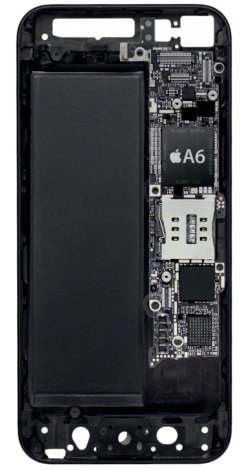
Im iPhone 5 werkelt der neue Prozessor A6. Er stellt eine doppelt so schnelle CPU und Grafikleistung zur Verfügung. Das ist nicht nur zum Spielen, sondern auch für den schnellen Start von Apps von Vorteil. Gleich geblieben sind die Speichergrößen 16, 32 und 64 Gigabyte.
Mit dem neuen dünneren Gehäuse musste Apple das Innenleben wohl oder übel komplett überarbeiten. Der Hersteller hat das für Verbesserungen genutzt: Jetzt arbeiten drei Mikrofone (zum Teil für Reduzierung der Umgebungsgeräusche) für eine gute Sprachqualität.
An der Akkulaufzeit hat sich im großen und ganzen nicht viel geändert. Gesprächszeit und Musikabspieldauer ist gleich geblieben, aber die Standby-Zeit konnte laut Hersteller von 200 auf 225 Stunden gesteigert werden, sowie das Wi-Fi-Surfen um eine Stunde auf 10 Stunden.
iPhone 5 ab 21. September verfügbar
Ausgeliefert wurde das iPhone 5 es ab dem 21. September. Eine Woche Später erschien es in Österreich und in der Schweiz. Zu haben ist das iPhone 5 in Deutschland ab 679,- Euro.
Im Lieferumfang werden die neuen EarPods-Kopfhörer enthalten sein.
Fazit iPhone 5-Vorstellung: Solides Update für das Edelhandy
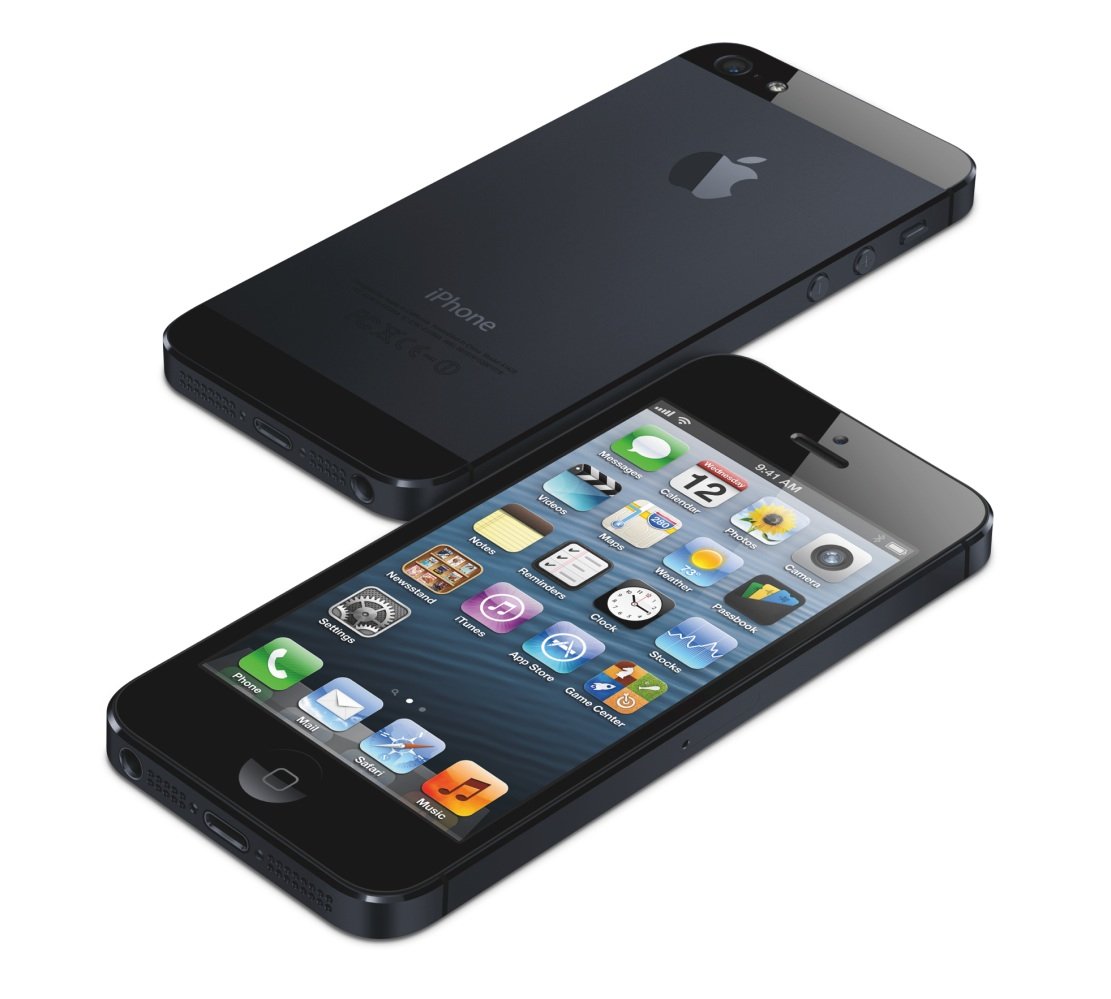
Ein überzeugendes Update war angesichts der starken androiden Konkurrenz zwingend notwendig. Das iPhone 5 bietet keine allzu große Überraschung, zumal die meisten Funktionen schon vorher über Gerüchte ans Licht kamen.
Aber: Apple hat sein Edel-Handy wieder hochpoliert: Das bessere, größere Display ist vielversprechend, dank Leistung und Qualität dürften das Apple-Smartphone weiterhin in der obersten Liga mitspielen – soweit sich das ohne Test nach der heutigen Präsentation schon sagen lässt.
Wir werden natürlich weiter über das iPhone 5 informieren.
Kann das iPhone 5, die letzte iPhone-Generation, auf die Steve Jobs Einfluss nahm, den Erwartungen gerecht werden? Konnte Apple zum fünften Mal in Folge das Konzept des iPhones verbessern oder rollt der angebissene Apfel auf der Stelle? Im folgenden Test versuche...
(You can find a german version of this article here.)
Is this the design for the upcoming iPhone 5? Probably. Maybe. Only Apple knows for sure if the iPhone they’re going to announce next week during their press event will look like this prototype.
We currently believe that the iPhone 5 will be thinner than the current generation, it’ll also come with a larger 4 inch display. That being said, the biggest obvious change will be the teardrop design, which already made some news in the past months.
The Design Prototype
Based on CAD designs, hardware components, several leaked hints, cases and recent, believable mockups we created a three-dimensional computer model. This virtual model was then used to build a very detailed, true prototype that you can hold in your own two hands.
The process to create this prototype is the same that’s used to create the iPad. The back was machined from a sold block of aluminium, which was later treated with glass pearls to get the same slightly rough touch that we already know from the iPad.
This prototype is only 59.94 mm wider than the current iPhone 4, but with a height of 109.98 mm it’s also just a bit thinner than its predecessor.
We already talked about the teardrop design. We took a really close look at the most recent leaks to gather as much information as possible on how the upcoming iPhone might look like from the side. You can clearly see the teardrop style, with a thickness of 6.86 mm at the top and only 5.33 mm at the bottom.
Even though our prototype is a bit wider than the iPhone 4 (59.94 mm vs 58.6 mm) the design, in combination with the larger 4 inch touchscreen makes it more compact and easier to handle.
Thanks to the rounded design it also feels much nicer while holding it in your hand. Compared with an iPhone 5, the old phone even looks and feels a little chunky.
If you looked closely at the most recent case leaks you might have noticed that the mute switch is now located on the other side of the phone.
Where Apple will place the main camera and the LED flash – and what they will look like – is currently a big unknown. There is little to no knowledge on the design of these components, but it’s likely that they’ll look just the same as they did on the iPhone 4.
Another big design and functional change involves the Home button. It’s no longer a circle but an oval shape. There have been numerous rumors that Apple is moving away from the mechanical to a capacitive button that reacts to a light touch – just like the rest of the display.
(Bild 1/19) iPhone 5: This is our Design-Prototype!: iPhone-5-Design-Prototype-001
The reasons for this change are obvious: a mechanical button takes away valuable space inside the device and, because it’s the most used button, is likely to fail during the lifetime of the phone. Apple’s first generation iPhone already had a metal back, before they moved to a plastic back on the iPhone 3G and 3GS for reception’s sake, which was then once again replaced by a glass back on the iPhone 4. Due to Apples patent portfolio that includes various ways to handle antennas and metal backs while still having great reception there’s no reason not to go with an aluminium back that looks and feels just like an iPad.
Software
Besides the new design and more powerful hardware – more on that later – another big improvement awaits inside iOS 5. The so-called <a href="http://www.giga.de/smartphones/iphone-5/" is probably the biggest innovation in this new version. Thanks to a revolutionary speech recognition software the iPhone 5 could become your personal, voice activated assistant. In cooperation with Nuance and based on the work of Siri, a start-up that Apple bought last year, Assistant will enable you to dictate E-Mails, SMS and every other piece of text. We already know other speech recognition software but Assistant is said to be able to understand your words in a very intuitive way. Even sentences like “Meeting with Steve at 7pm”, “How is tomorrow’s weather?” or “How do I get to the nearest Apple store?” will be understood by Assistant.
While Google is providing their own speech recognition in Android, it relies on Google’s servers. Your voice is sent to Google where it’s processed and then send back to your device. This requires an internet connection.
Apple’s Assistant is supposed to work without a network connection. All necessary processing takes place on the device itself. This power hungry feature obviously requires updated hardware. 1 gigabyte of RAM and the dual-core CPU A5 will provide exactly that. Most of the upcoming features of iOS 5 were already shown at Apple’s developer conference WWDC in June or have since been leaked by beta testers.
There have been a variety of rumors that, alongside the already shown Twitter functions, there might also be a deeper Facebook integration. Code snippets provided some hints in recent beta versions, but are so far unlikely to make it into the final version of iOS 5.
The Hardware
As mentioned before the heart of the iPhone 5 is most likely the already known dual-core Apple A5 which is already being used in the iPad 2. While the current iPad only comes with 512 MByte of RAM the iPhone 5 will probably double that to 1 gigabyte.
We also said that the display will get a bit larger this time. While all other iPhones had a 3,5 inch touchscreen, Apple is said to move it up a notch to 4 inches. The resolution should stay at 960 x 640, just like the iPhone 4.
Sony already leaked a few weeks ago what camera is going to find its way into the next gen iPhone, so all bets are on an 8 megapixel sensor made by, well, Sony. This is also in line with other current rumors. Just like its predecessors the iPhone 5 will probably come with 16 and 32 gigabytes of storage. But it’s also possible that Apple might launch a 64 GByte top model on this “Post PC” device.
(Bild 2/19) iPhone 5: This is our Design-Prototype!: iPhone-5-Design-Prototype-002
(Bild 3/19) iPhone 5: This is our Design-Prototype!: iPhone-5-Design-Prototype-003
(Bild 4/19) iPhone 5: This is our Design-Prototype!: iPhone-5-Design-Prototype-004
(Bild 5/19) iPhone 5: This is our Design-Prototype!: iPhone-5-Design-Prototype-005
(Bild 6/19) iPhone 5: This is our Design-Prototype!: iPhone-5-Design-Prototype-006
(Bild 7/19) iPhone 5: This is our Design-Prototype!: iPhone-5-Design-Prototype-007
(Bild 8/19) iPhone 5: This is our Design-Prototype!: iPhone-5-Design-Prototype-008
(Bild 9/19) iPhone 5: This is our Design-Prototype!: iPhone-5-Design-Prototype-009
(Bild 10/19) iPhone 5: This is our Design-Prototype!: iPhone-5-Design-Prototype-010
(Bild 11/19) iPhone 5: This is our Design-Prototype!: iPhone-5-Design-Prototype-011
(Bild 12/19) iPhone 5: This is our Design-Prototype!: iPhone-5-Design-Prototype-012
(Bild 13/19) iPhone 5: This is our Design-Prototype!: iPhone-5-Design-Prototype-013
(Bild 14/19) iPhone 5: This is our Design-Prototype!: iPhone-5-Design-Prototype-018
(Bild 15/19) iPhone 5: This is our Design-Prototype!: iPhone-5-Design-Prototype-018
(Bild 16/19) iPhone 5: This is our Design-Prototype!: iPhone-5-Design-Prototype-017
(Bild 17/19) iPhone 5: This is our Design-Prototype!: iPhone 5 Design-Prototyp
(Bild 18/19) iPhone 5: This is our Design-Prototype!: iPhone-5-Design-Prototype-015
(Bild 19/19) iPhone 5: This is our Design-Prototype!: iPhone-5-Design-Prototype-014
(You can find an english version of this article here.)
Sehen wir hier das Design des iPhone 5? Vermutlich. Ob dieser Design-Prototyp jenem iPhone 5 entspricht, welches uns Apple vielleicht in wenigen Tagen im Zuge der Keynote präsentieren wird, weiß derzeit wohl nur Apple selbst ganz genau.
Nach aktuellem Wissensstand wird das iPhone 5 dünner als die aktuelle Generation und mit einem größeren 4-Zoll-Touch-Display ausgestattet sein.
Das herausragende Designmerkmal soll eine leichte Keil- bzw. Tropfenform sein. Das Gerät verjüngt sich also leicht nach unten hin.
Der Design-Prototyp
Auf Basis derjenigen bisher aufgetauchten oder bekannten CAD-Grafiken, Bauteile, Hinweise, Schutzhüllen und Mock-Ups, denen man am meisten Glauben schenken darf, haben wir ein dreidimensionales Computermodell errechnet.
Dieses detailreiche und -getreue, virtuelle Modell diente dann als direkte Vorlage für ein reales Werkstück, diesen Design-Prototyp eines möglichen iPhone 5.
Der Produktionsprozess glich jenem des iPad. So wurde die Rückseite ebenfalls aus einem soliden Block Aluminium gefräst und letztlich mit Glasperlen bestrahlt. Dadurch erhielten wir die vom iPad bekannte, leicht raue Oberfläche.
Mit einer Breite von 59,94 mm ist dieser Prototyp wenige Millimeter breiter als ein iPhone 4. Dafür ist er mit einer Länge von nur 109,98 mm auch etwas kürzer.
Besonders interessant ist das Seitenprofil. Auch hier haben wir uns sehr exakt an die zahlreich durchgesickerten Informationen gehalten. Deutlich zu erkennen ist die leichte Keilform des Prototyps. Die maximale Höhe beträgt am oberen Ende 6,86 Millimeter. Nach unten hin verjüngt sich das Gehäuse gleichmäßig auf schlussendlich nur noch 5,33 Millimeter.
Auch wenn dieser Prototyp breiter ist, wirkt das Design handlicher und durch den größeren Bildschirm gleichzeitig auch kompakter und effizienter.
Aufgrund des allgemein runderen Formung liegt der Prototyp sehr angenehm in der Hand. Im Vergleich dazu wirkt das iPhone 4 mit seinem sehr kantigen Design geradezu klobig.
Wie schon bei fast allen bisher aufgetauchten Schutzhüllen zu erkennen, ist auch hier der Stumm-Schalter auf der rechten und nicht mehr auf der linken Seite.
Zur Anordnung und der Umrandung der Kamera auf der Rückseite gibt es hingegen fast keine Informationen. Wo genau Apple das LED-Blitzlicht platzieren wird, ist ebenfalls unbekannt. Die Kameralinse und das LED-Blitzlicht dürften aber ähnlich verbaut sein wie beim iPhone 4.
Besonders bemerkenswert ist natürlich auch der in die Länge gezogene Homebutton. Hierzu halten sich schon länger Gerüchte, dass Apple von einem mechanischen Button ablässt und einen kapazitiven Homebutton verbaut. Dieser reagiert dann, genau wie das übrige Display, auf die leichteste Berührung.
(Bild 1/19) iPhone 5: Das ist unser Design-Prototyp: iPhone 5 Design Prototype
Die bisher bekannten Gründe hierfür scheinen einleuchtend: Der mechanische Homebutton benötigt schlicht zuviel Platz in der Tiefe des Gehäuses. Zudem ist er als das am häufigsten verwendete mechanische Bauteil am iPhone relativ störungsanfällig.
Schon bei der ersten iPhone-Generation setzte Apple auf eine Alu-Rückseite. Da aber diese damals zu Empfangsproblemen führen konnte, kam beim folgenden iPhone 3G und iPhone 3GS Kunststoff, beim aktuellen iPhone 4 Glas zum Einsatz.
Apples reichhaltiges Patentportofolio zeigt allerdings zahlreiche Antennen-Lösungen in Kombination mit einem Metallgehäuse auf, es gibt also keinen Grund, auf ein iPhone 5 im iPad-Designstil zu verzichten.
Software
Neben dem neuen Design und der selbstverständlich schnelleren Hardware, dürfte sich die wohl die interessanteste Neuerung im Betriebssystem iOS 5 finden.
Der so genannten „Assistent“ soll das Kabinettstückchen der Software sein. Dank revolutionärer Spracherkennung würde das iPhone 5 zum persönlichen, sprachgesteuerten Assistenten.
Die in Zusammenarbeit mit Nuance und auf Basis des im letzten Jahr übernommenen Start-Ups Siri entwickelte Spracherkennung ermöglicht das Diktieren von E-Mails, SMS-Nachrichten und anderen Texten. Auch sollen sich auf “sehr intuitive Art und Weise” Informationen abfragen und auch eintragen lassen. Beispielsweise: “Termin mit Steve um 19 Uhr”, “Wie wird das Wetter morgen?” oder “Wie komme ich von hier zum nächsten Apple Store?”. Die Einsatzmöglichkeiten hierfür sind nahezu unbegrenzt.
Googles Android bietet eine ähnliche Funktion, sendet aber jede Spracheingabe zunächst über das Internet an die Google-Server. Hier werden die Daten dann analysiert, verarbeitet und anschließend zurück auf das Smartphone geschickt.
Apples Lösung soll dagegen auch ohne Internetverbindung funktionieren, da die Daten lokal auf dem Gerät verarbeitet werden können.
Dieses Ressourcen-hungrige Feature setzt natürlich auch ausreichende Rechenpower voraus. Ein Gigabyte Arbeitsspeicher und der Dual-Core-Prozessor im Apple-A5-Chip sollen die benötigte Leistung bringen.
Die Mehrheit der neuen Funktionen von iOS 5 hat Apple bereits im Zuge der diesjährigen „Worldwide Developers Conference“ (WWDC) im Juni vorgestellt.
Erneut wird auch wieder über eine Integration von Facebook in iOS 5 spekuliert. Hinweise in Form von Code-Schnipseln tauchten immer wieder in Beta-Versionen von iOS 5 auf. Den Sprung in die finale Version schaffte Facebook aber bisher nicht.
Die Hardware
Wie bereits erwähnt schlägt aller Voraussicht nach ein zweikerniges Herz im iPhone 5 – der Apple A5. Dieser kommt derzeit auch auch im iPad 2 zum Einsatz. Wo das iPad 2 aber nur über 512 Megabyte Arbeitsspeicher verfügt, hat das iPhone 5 voraussichtlich 1024 Megabyte Arbeitsspeicher.
Der Touch-Screen dürfte mit 4 Zoll Durchmesser ein gutes Stück größer sein als bei allen bisherigen iPhone-Generationen. Im iPhone 4 kommt ein 3,5-Zoll-Display zum Einsatz. Die Auflösung soll mit 960×640 Pixeln aber dieselbe bleiben.
Was die Kamera angeht, ist ein 8-Megapixel-Chip von Sony aufgrund seiner hohen Qualität wohl der beste Kandidat. Außerdem hat Sonys CEO dies bereits vor einigen Wochen beiläufig ausgeplaudert.
Wie bereits sein Vorgänger dürfte auch das iPhone 5 wieder mit 16 und 32 Gigabyte angeboten werden. Dass Apple den maximalen Speicherplatz auf 64 Gigabyte verdoppelt scheint in der “Post-PC-Ära” aber durchaus möglich.
P.S.: Wie schon im Kommentarbereich richtig erkannt fehlt bei diesem Prototypen ein Lautlos-Schalter.
(Bild 2/19) iPhone 5: Das ist unser Design-Prototyp: iPhone 5 Design Prototype
(Bild 3/19) iPhone 5: Das ist unser Design-Prototyp: iPhone 5 Design Prototype
(Bild 4/19) iPhone 5: Das ist unser Design-Prototyp: iPhone 5 Design Prototype
(Bild 5/19) iPhone 5: Das ist unser Design-Prototyp: iPhone 5 Design Prototype
(Bild 6/19) iPhone 5: Das ist unser Design-Prototyp: iPhone 5 Design Prototype
(Bild 7/19) iPhone 5: Das ist unser Design-Prototyp: iPhone 5 Design Prototype
(Bild 8/19) iPhone 5: Das ist unser Design-Prototyp: iPhone 5 Design Prototype
(Bild 9/19) iPhone 5: Das ist unser Design-Prototyp: iPhone 5 Design Prototype
(Bild 10/19) iPhone 5: Das ist unser Design-Prototyp: iPhone 5 Design Prototype
(Bild 11/19) iPhone 5: Das ist unser Design-Prototyp: iPhone 5 Design Prototype
(Bild 12/19) iPhone 5: Das ist unser Design-Prototyp: iPhone 5 Design Prototype
(Bild 13/19) iPhone 5: Das ist unser Design-Prototyp: iPhone 5 Design Prototype
(Bild 14/19) iPhone 5: Das ist unser Design-Prototyp: iPhone 5 Design Prototype
(Bild 15/19) iPhone 5: Das ist unser Design-Prototyp: iPhone 5 Design Prototype
(Bild 16/19) iPhone 5: Das ist unser Design-Prototyp: iPhone 5 Design Prototype
(Bild 17/19) iPhone 5: Das ist unser Design-Prototyp: iPhone 5 Design Prototype
(Bild 18/19) iPhone 5: Das ist unser Design-Prototyp: iPhone 5 Design Prototype
(Bild 19/19) iPhone 5: Das ist unser Design-Prototyp: iPhone 5 Design Prototype